

Hyperthermia Therapy
Targeted Heat to Activate Immune Intelligence

Hyperthermia therapy uses carefully controlled heat to support the body’s natural defense systems. In integrative oncology, therapeutic heat is about precision, timing, and signaling.
Cancer cells are metabolically fragile. They struggle to adapt to elevated temperatures, while healthy cells are far more resilient. When applied thoughtfully, hyperthermia can help weaken cancer cells, improve immune recognition, and enhance circulation, supporting the body’s capacity to respond to treatment and recover more effectively.
At our clinic in Blue Ash, OH, hyperthermia is used as a supportive therapy, integrated into a personalized care plan and coordinated with conventional oncology when appropriate.
Two Approaches to Hyperthermia at CIOFM
Whole-Body Hyperthermia
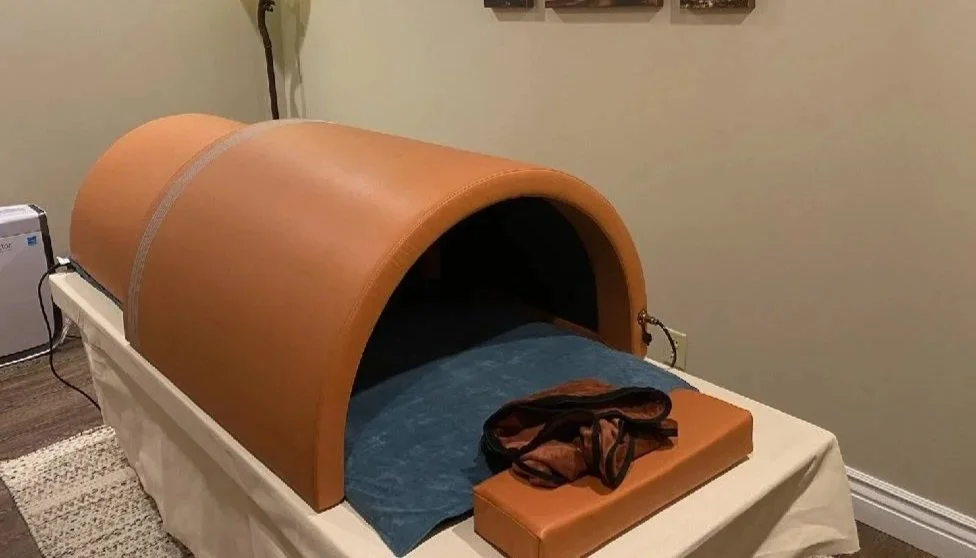
Whole-body hyperthermia gently raises core body temperature using a medical-grade infrared sauna dome. This approach mimics a natural fever response—one of the body’s oldest immune signaling mechanisms.
Rather than targeting a specific tumor, whole-body hyperthermia works systemically, supporting immune communication, circulation, and detoxification pathways.
How it works
Infrared heat penetrates tissue, warming the body from the inside out
Core temperature rises in a controlled, monitored way
Heat shock proteins are released, helping immune cells identify abnormal tissue
Blood flow and lymphatic movement increase throughout the body
Potential benefits for cancer patients
Immune activation and improved immune surveillance
Support for detoxification and lymphatic drainage
Improved circulation and tissue oxygenation
Nervous system regulation and stress reduction
Support for fatigue, sleep quality, and overall resilience
CIOFM uses the Clearlight Sauna Dome as part of an integrative protocol designed to strengthen the terrain in which healing occurs.
Clearlight Sauna Dome
Localized Hyperthermia
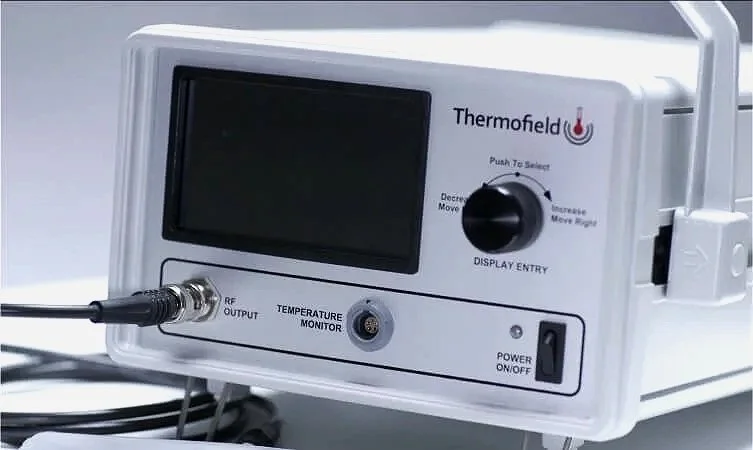
Localized hyperthermia applies heat directly to a specific area of concern, allowing for deeper, targeted tissue warming without raising full core body temperature.
CIOFM is a Certified Thermofield Hyperthermia Center, a distinction that reflects advanced training, safety standards, and clinical expertise in this modality.
How it works
The Thermofield system delivers focused electromagnetic energy
Target tissues are gently heated to therapeutic temperatures
Cancer cells experience metabolic stress and reduced viability
Blood flow to the area improves, enhancing oxygen and nutrient delivery
Potential benefits for cancer patients
Targeted stress on cancer cells while sparing healthy tissue
Improved local circulation and immune cell access
Enhanced effectiveness of other therapies when used strategically
Support for pain, inflammation, and tissue healing in select cases
Localized hyperthermia is often considered when disease is confined to a specific region or when a focused approach best aligns with a patient’s overall treatment plan.
Thermofield Technology

Why Hyperthermia Is Used in Integrative Oncology
Hyperthermia is not a standalone cancer treatment. At CIOFM, it is used to support physiology, not override it.
When applied appropriately, hyperthermia may:
Make cancer cells more vulnerable to treatment
Improve immune recognition of abnormal cells
Support metabolic flexibility and mitochondrial function
Enhance circulation, detoxification, and recovery
Every recommendation is made in context, based on diagnosis, treatment phase, lab findings, and the patient’s overall terrain.
Frequently Asked Questions
-
Hyperthermia therapy uses carefully controlled heat to support the body’s natural defense systems. In integrative oncology, therapeutic heat is used to activate immune signaling, improve circulation, and create metabolic stress that cancer cells are less able to tolerate—while supporting overall physiologic resilience.
Hyperthermia does not replace conventional cancer treatment. At CIOFM, it is used as a supportive therapy within a personalized care plan.
-
The difference lies in scope and intent.
Whole-body hyperthermia gently raises the body’s core temperature to create a systemic, fever-like immune response. This approach supports immune communication, circulation, detoxification, and nervous system regulation.
Localized hyperthermia focuses heat on a specific area of the body, creating targeted metabolic stress in tissue while keeping the rest of the body at normal temperature.
CIOFM offers both options so care can be tailored to diagnosis, disease location, and overall health status.
-
Cancer cells are metabolically inflexible and often poorly vascularized, making them more sensitive to heat than healthy cells. Controlled heat can:
Increase metabolic stress on cancer cells
Improve immune recognition of abnormal tissue
Enhance circulation and oxygen delivery
Support detoxification and tissue repair
Hyperthermia leverages one of the body’s oldest defense mechanisms—fever—without relying on uncontrolled inflammation.
-
When used appropriately and under medical supervision, hyperthermia is generally well tolerated. Safety depends on:
Proper patient selection
Appropriate dosing and timing
Monitoring during treatment
Not every patient is a candidate, and hyperthermia is not used during every phase of care. At CIOFM, safety and clinical context guide all recommendations.
-
Hyperthermia is not considered a standalone cancer-killing therapy. Its role is supportive.
It may weaken cancer cells, improve immune response, and enhance the effectiveness of other therapies—but it does not replace chemotherapy, radiation, surgery, or targeted treatments when those are indicated.
CIOFM’s approach focuses on strengthening the terrain in which healing occurs.
-
In many cases, yes—but timing and coordination matter.
Hyperthermia is sometimes used to:
Improve circulation and oxygenation
Enhance tissue responsiveness
Support recovery and immune resilience
All decisions are made in coordination with a patient’s oncology team when appropriate.
-
Frequency varies based on:
Type of hyperthermia (whole-body vs localized)
Treatment phase
Overall health and tolerance
Goals of care
Some patients may use hyperthermia periodically, while others incorporate it more regularly for a defined period.
-
Experiences vary, but patients commonly describe:
A deep sense of warmth
Relaxation or fatigue afterward
Increased sweating (with whole-body hyperthermia)
Patients are encouraged to hydrate well and communicate any discomfort during sessions so adjustments can be made.
-
Hyperthermia should feel therapeutic, not extreme. Sessions are adjusted to stay within safe and tolerable ranges. Discomfort is not required for benefit, and overheating is avoided.
-
Hyperthermia may not be appropriate for individuals with certain cardiovascular conditions, uncontrolled infections, severe dehydration, or other specific medical concerns.
Eligibility is determined through a comprehensive review of medical history and current treatment status.
Interested in Learning More?
Hyperthermia therapy is available to established CIOFM patients as part of an individualized treatment plan.
If you are exploring integrative oncology care and want to understand whether hyperthermia may be appropriate for you, the first step is a Discovery Call.
Apply for a Discovery Call to speak with our team and learn how CIOFM approaches cancer care through metabolic, immune, and terrain-based medicine.