Ozone Therapy in Integrative Oncology
When someone is going through cancer treatment, their body is often working under extraordinary strain. Energy drops. Inflammation rises. Oxygen delivery isn’t as efficient as it should be. The immune system feels stretched thin. Even with the best conventional treatments, the body’s internal environment can become a harder place to heal.
This is one reason ozone therapy has gained attention in integrative oncology. Medical ozone isn’t the same as the ozone we hear about in environmental conversations. In a clinical setting, it’s a carefully prepared form of oxygen used to support physiology—not replace cancer treatment, but reinforce the systems that help the body cope and recover.
Ozone therapy is one of several supportive tools we use in our clinic to help patients feel stronger and more resilient during demanding phases of care. What follows is a closer look at where ozone therapy came from, how it works, what the research shows, and why it’s becoming more widely used in cancer-supportive medicine.
How Ozone Became a Medical Therapy
Ozone was first identified in the mid-1800s, and it didn’t take long for physicians to begin experimenting with its medical use. By the early 1900s, European doctors were applying ozone to wounds and infections. During World War I, it was used on battlefield injuries to help with tissue healing.
As medical-grade ozone generators were developed, the therapy became more standardized. Countries like Germany, Italy, and Russia adopted ozone therapy across multiple clinical settings, including chronic illness, circulatory problems, and integrative cancer care.
In the U.S., the therapy has been slower to enter mainstream practice, but it has steadily grown in integrative and functional medicine as more clinicians explore terrain-based approaches to cancer care.

What the Research Tells Us
Although ozone therapy has been used in medicine for more than a century, interest in its underlying science has accelerated in recent years. Researchers are taking a closer look at how ozone interacts with the immune system, circulation, energy production, and inflammation—all areas deeply relevant to cancer care.
A 2023 scientific review explored these mechanisms in depth and outlined several key effects observed with medical ozone, including shifts in immune signaling, improvements in how tissues use oxygen, and changes in redox balance. These areas matter because they relate directly to some of the physiologic patterns that make cancer treatment so taxing: chronic inflammation, low tissue oxygenation, and metabolic strain
Clinical observations mirror these findings. In one report involving 50 cancer patients receiving ozone autohemotherapy, 70% reported a meaningful improvement in fatigue, with no major side effects documented, a striking outcome given how stubborn cancer-related fatigue can be.
For many patients, energy loss is one of the most disruptive symptoms they face, and very few therapies reliably move the needle. This study suggests that ozone may offer a supportive option for easing that burden.
European clinics, where ozone therapy has been used more routinely, have contributed additional case reports and clinical insights. While these reports vary in scope and methodology, they help build a picture of ozone as a modality that supports the body’s underlying physiology rather than targeting cancer directly.
This is also why ozone is not conventionally described as a cancer treatment. Instead, it serves as a terrain-strengthening therapy—one that works alongside conventional oncology to support energy, recovery, immune stability, and the overall environment in which healing occurs. Integrative oncology programs frequently use ozone for this reason: it aims to restore function in systems that cancer and its treatments often push to their limits.
How Ozone Interacts With the Body
When ozone is introduced into the bloodstream or tissues at controlled levels, it sparks a series of biochemical reactions, many of which help counter the physiologic challenges common during cancer treatment.
Here’s what that looks like at a cellular level:
Better Oxygen Utilization
Ozone helps red blood cells release oxygen more efficiently. This can matter a great deal in the context of cancer, where tumors often create low-oxygen zones and treatment can strain the body’s oxygen metabolism.
More Mitochondrial “Drive”
Mitochondria are the tiny energy factories inside cells. Ozone encourages them to work more effectively, which can help with stamina and repair.
A Calmer, More Balanced Immune Response
Rather than stimulating the immune system blindly, ozone seems to “tune” immune activity, softening excessive inflammation while supporting the body’s ability to respond to infections and abnormal cells.
A Reset for the Body’s Redox System
Ozone briefly increases oxidative activity, which then triggers the body to strengthen its own antioxidant defenses. This adaptive response helps improve overall resilience.
Improved Circulation
Ozone can enhance microcirculation, blood flow through the smallest vessels, supporting nutrient delivery and tissue healing.
Each of these mechanisms relates directly to concerns we see every day in oncology patients: fatigue, inflammation, oxidative stress, sluggish recovery, and difficulty tolerating treatment.
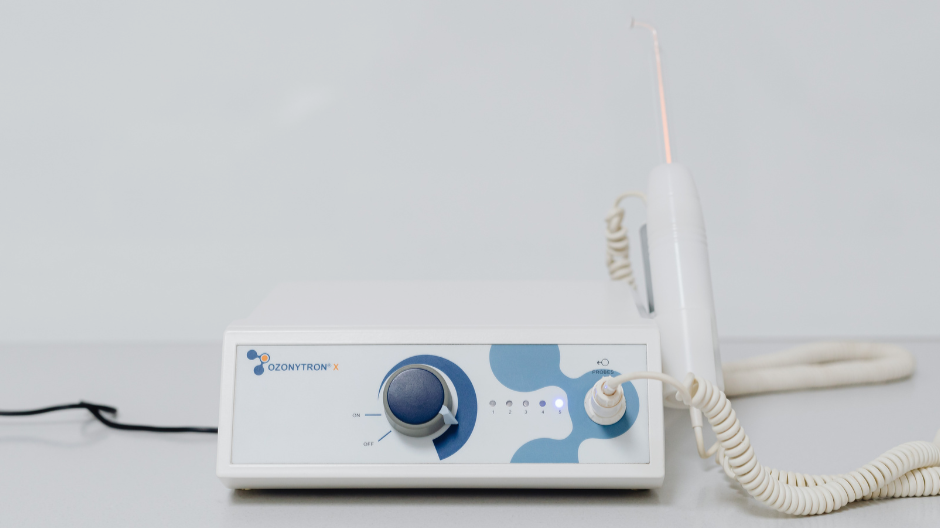
Methods of Ozone Therapy Used at CIOFM
Different ozone delivery methods influence the body in different ways. Some approaches create a whole-body physiologic shift, while others focus on a specific tissue or region. At CIOFM, each method is selected based on your diagnosis, treatment phase, current symptoms, and your overall terrain.
1. Major Autohemotherapy (MAH)
MAH is the most widely used systemic ozone therapy. During treatment, a measured amount of your blood is drawn into a sterile, anticoagulated container. Medical ozone is added at a precise concentration, allowing it to react with the blood’s lipids and proteins, forming compounds called ozone messengers (or ozonides). These compounds circulate back into the body when the blood is infused, triggering beneficial physiologic responses.
Clinical mechanisms and benefits:
Improved oxygen delivery: Ozonides enhance red blood cell flexibility and increase 2,3-DPG, helping hemoglobin release oxygen more efficiently to tissues.
Mitochondrial support: MAH has been shown to stimulate mitochondrial enzymes involved in ATP production.
Immune “tuning”: Ozone modulates cytokine activity, supporting immune defense where needed and reducing excess inflammatory signaling.
Redox balancing: The transient oxidative signal encourages the body to upregulate its own antioxidant systems.
Circulatory support: Improved microvascular flow helps tissues receive oxygen and nutrients during treatment recovery.
For cancer patients, these systemic effects often translate into better energy, reduced fatigue, and improved tolerance to treatment.

2. Intertumoral Ozone Injections
This technique introduces ozone gas directly into or around a tumor region when clinically appropriate. The goal is not to attack the tumor directly, but to influence the microenvironment, the complex neighborhood of immune cells, vasculature, and metabolic factors surrounding tumor tissue.
Clinical mechanisms and benefits:
Local oxygenation: Tumors often exist in low-oxygen environments. Local ozone can shift this balance.
Oxidative signaling: Cancer cells have difficulty managing oxidative stress; localized ozone may increase this stress selectively.
Immune activation: Ozone may increase local immune surveillance by drawing macrophages and antigen-presenting cells to the area.
Microcirculation improvements: Enhanced blood flow may help surrounding tissues function more effectively.
This method is used thoughtfully and only when patients meet the criteria for safe and appropriate administration.
3. Rectal Ozone Insufflation
Rectal insufflation is a gentle, effective method for delivering ozone systemically without an IV. Ozone gas is introduced into the colon, where it is absorbed through the mucosal lining into the portal circulation.
Clinical mechanisms and benefits:
Systemic physiologic effects: Although indirect, this method still supports oxygen use, immune modulation, and redox balance throughout the body.
Gut and mucosal health: The colon’s mucosal immune system (GALT) interacts with ozone metabolites, potentially supporting immune resilience.
Microbiome benefits: Ozone’s antimicrobial properties may support a healthier microbial balance in cases of dysbiosis or inflammation.
Low-intensity delivery: For some patients, especially those fatigued from chemotherapy, rectal insufflation is easier to tolerate than IV therapy.
This method is frequently used as a supportive, lower-intensity option during active treatment phases.
4. Vaginal and Bladder Ozone Insufflation
Pelvic tissues often endure significant strain from cancer itself or from treatments such as surgery, radiation, or hormonal therapies. Vaginal and bladder insufflation delivers ozone directly to mucosal surfaces where circulation, healing, and microbial balance may need support.
Clinical mechanisms and benefits:
Local oxygenation and circulation: Ozone increases blood flow to tissues that may be irritated or healing.
Immune support: Local immune cells respond to ozone messengers, which may help regulate inflammation and repair.
Microbial balance: Ozone’s antimicrobial activity helps support a healthier urogynecologic microbiome.
Support after radiation: Pelvic tissues exposed to radiation often benefit from therapies that promote vascular repair and oxygenation.
These methods are gentle and targeted, making them useful for patients with pelvic cancers or chronic inflammation in the region.
5. Prostate Ozone Injections
Direct ozone injections into the prostate can offer focused support for prostate cancer and chronic inflammatory prostate conditions. This approach is used selectively and always under careful clinical consideration.
Clinical mechanisms and benefits:
Tissue oxygenation: Increasing oxygen availability may support healthier tissue metabolism.
Immune engagement: Ozone may stimulate local immune cells to respond more effectively to abnormal tissue.
Microcirculation enhancement: Better blood flow can help the prostate recover from inflammation or treatment-related stress.
Support for chronic prostatitis: Many men experience symptom relief due to ozone’s anti-inflammatory and antimicrobial effects.
Because the prostate is highly vascular and metabolically active, targeted ozone can influence local physiology in ways systemic treatments may not.
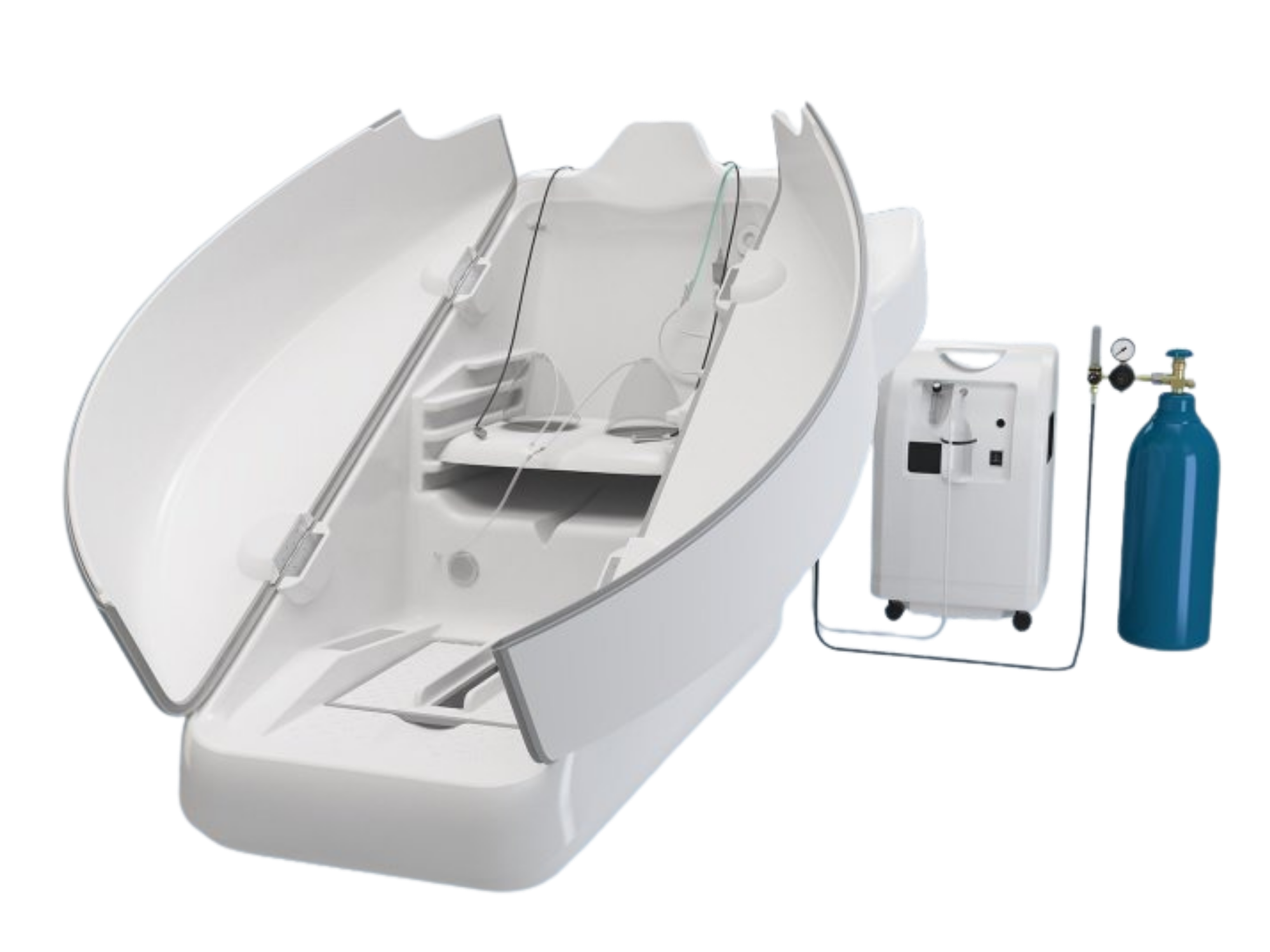
6. HOCATT™ Ozone Sauna (Transdermal Ozone & Multimodal Support)
The HOCATT is a whole-body ozone sauna that delivers ozone through the skin while combining several supportive therapies in a single session. Patients sit in a comfortable chamber where the body is exposed to ozone, heat, carbonic acid steam, and optional PEMF.
This method offers gentle, noninvasive ozone absorption and broad physiologic support, making it useful during periods when patients need more restorative, terrain-focused therapies.
Clinical mechanisms and benefits:
Transdermal ozone delivery, offering mild systemic effects without IV access
Hyperthermia support through infrared heat, which may encourage immune and circulatory activity
Improved microcirculation and lymphatic flow, aiding detoxification and tissue oxygenation
Carbonic acid steam, which enhances skin permeability and blood flow
Relaxation and parasympathetic activation, helpful during demanding treatment phases
HOCATT sessions are often used to support energy, circulation, tissue oxygenation, and overall resilience.
7. Ozone Cupping (Localized Circulatory & Lymphatic Support)
Ozone cupping combines traditional negative-pressure cupping with topical ozone delivery to support localized circulation, lymphatic movement, and tissue oxygenation. During treatment, ozone gas is introduced into a sealed cup placed on the skin, allowing ozone to interact directly with superficial tissues without entering the lungs or bloodstream.
This method is used to support areas of congestion, inflammation, or impaired circulation and is often incorporated as part of a broader integrative treatment plan.
Clinical mechanisms and benefits:
Localized oxygenation: Ozone exposure at the skin level may help improve oxygen diffusion into superficial tissues.
Enhanced circulation: The suction created by cupping increases blood flow to the area, supporting nutrient delivery and waste removal.
Lymphatic stimulation: Negative pressure encourages lymphatic drainage, which can be helpful for detoxification and immune support.
Inflammation regulation: Ozone’s interaction with local tissues may help calm inflammatory signaling and support tissue recovery.
Musculoskeletal and soft tissue support: Ozone cupping is sometimes used to address areas of pain, tension, or post-treatment stiffness.
Why it may be used in oncology care:
Cancer treatments can contribute to tissue congestion, reduced circulation, lymphatic sluggishness, and localized discomfort. Ozone cupping offers a noninvasive way to support these systems, particularly in patients experiencing muscle tightness, localized inflammation, or impaired lymphatic flow.
Where Ozone Fits Into CIOFM’s Approach to Cancer Care
Ozone is never offered as a stand-alone therapy or as an alternative to conventional oncology. Instead, it is used to shore up the internal “terrain” of the body, the systems that allow patients to stay stronger, recover more quickly, and remain more engaged in their treatment plan.
Ozone often pairs well with other integrative approaches, such as:
IV vitamin C
Hyperthermia
Mistletoe therapy
Nutritional therapy
Genetic and metabolic insights
Mind-body support
Ozone therapy can also be paired with conventional treatments such as chemotherapy, radiation, immunotherapy, etc.
Together, these therapies help patients feel more supported and better equipped to navigate the realities of treatment.
Ozone therapy has been around for over a century, but its role in integrative oncology is gaining modern attention for good reason. It supports the physiologic systems most challenged during cancer treatment—oxygenation, energy production, circulation, and inflammation regulation.
For many patients, ozone becomes one of the therapies that helps them feel steadier, clearer, and more capable as they move through care. It isn’t a cure, but it can be a meaningful part of a comprehensive, personalized treatment plan.
If you’re interested in becoming a patient at CIOFM and want to explore whether ozone therapy could be part of your care, you’re welcome to apply for a Discovery Call.
If you’re already a CIOFM patient, simply reach out to your care team to discuss whether adding ozone therapy is appropriate for your current treatment plan.
Disclaimer:
The information in this article is for educational purposes only and is not intended to diagnose, treat, cure, or prevent any disease. Ozone therapy is considered a supportive, adjunctive modality and is not a substitute for conventional oncology care. The therapies described here may not be appropriate for every patient and should only be used under the guidance of a qualified healthcare professional.
References:
Clavo, B., et al. “Ozone Therapy: An Overview of Mechanisms, Clinical Applications, and Future Directions.” International Journal of Environmental Research and Public Health, vol. 20, no. 2, 2023, article 1479.
Tirelli, Umberto, et al. “Oxygen-Ozone Therapy as Support and Palliative Therapy in 50 Cancer Patients with Fatigue – A Short Report.” European Review for Medical and Pharmacological Sciences, vol. 22, 2018, pp. 8030–8033.