Detoxification and Cancer Care
Supporting the Body During Treatment and Recovery
Cancer treatment places an enormous demand on the body.
Beyond the cancer itself, patients are often navigating inflammation, fatigue, immune suppression, poor sleep, digestive disruption, medication burden, oxidative stress, and the cumulative effects of chemotherapy, radiation, surgery, anesthesia, antibiotics, and environmental exposures. Even when treatment is working exactly as intended, the body is still carrying a tremendous physiologic load.
This is one reason detoxification has become an important part of integrative cancer care in Cincinnati and across the growing field of integrative oncology in Ohio.
At Cincinnati Integrative Oncology and Functional Medicine (CIOFM), detoxification is approached as terrain support: helping the body process inflammation, clear waste, maintain healthy circulation and lymphatic flow, support cellular repair, and improve resilience during treatment and recovery.
Because healing doesn’t happen in isolation. It happens within the environment of the body itself.
What Detoxification Really Means
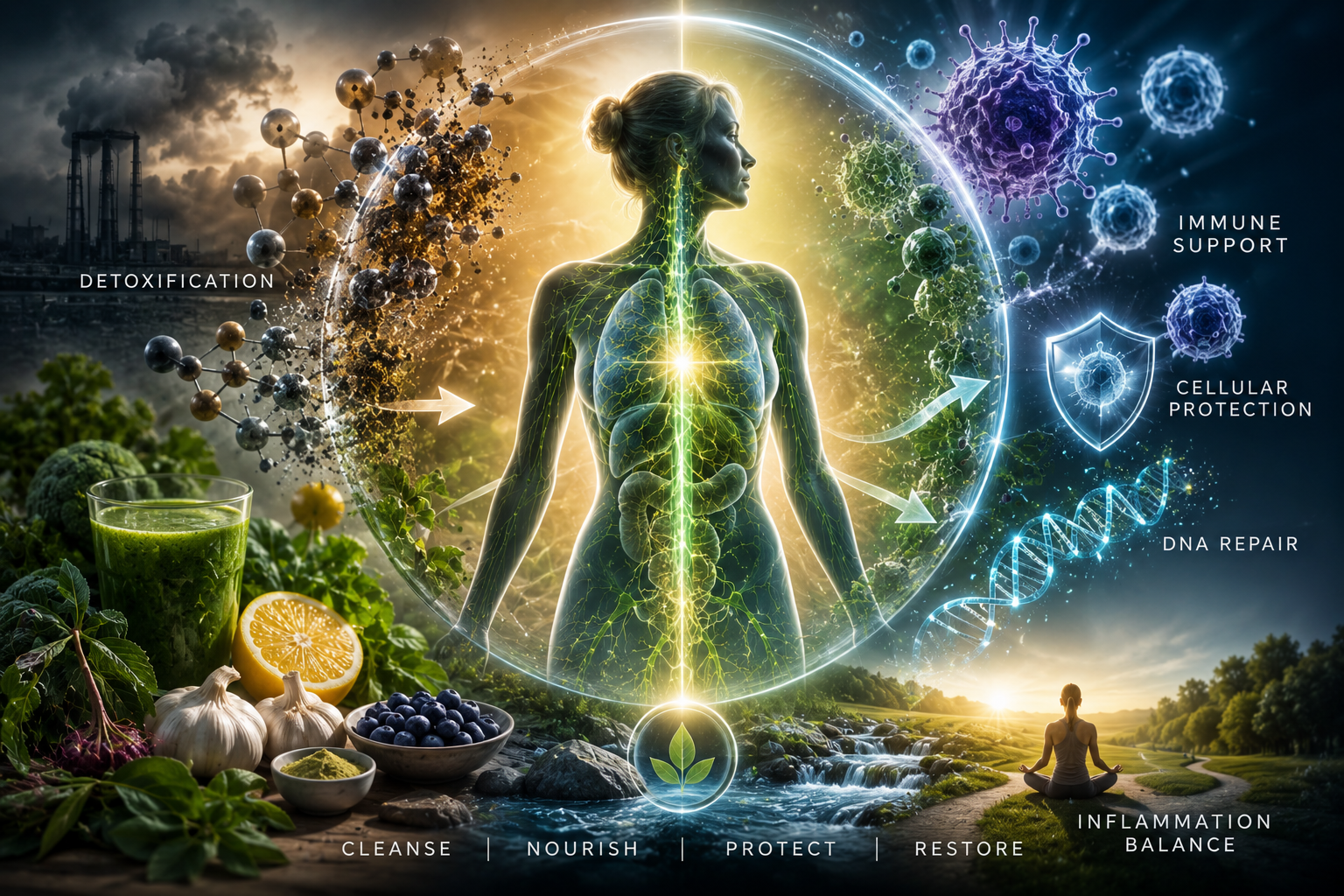
Detoxification is one of the body’s natural housekeeping systems.
Every day, your body is identifying, processing, neutralizing, and eliminating substances it no longer needs. Some of these are external exposures like pesticides, plastics, air pollutants, mold toxins, heavy metals, and chemicals found in food, water, or personal care products. Others are internal byproducts generated through normal metabolism, inflammation, hormone processing, stress, immune activity, and cancer treatment itself.
This process involves multiple systems working together:
The liver transforms and packages compounds for elimination
The kidneys filter waste through urine
The gut removes toxins and metabolic waste through stool
The lymphatic system clears cellular debris and inflammatory material from tissues
The skin eliminates certain compounds through sweat
The lungs remove gaseous waste products
The mitochondria help regulate oxidative stress and cellular cleanup
When these systems are functioning well, the body is generally able to keep up with its daily workload. But when detoxification pathways become sluggish, overloaded, or impaired, the body may struggle to maintain balance.
Why Detoxification Matters During Cancer Treatment
Cancer develops within a biologic terrain shaped by inflammation, immune function, mitochondrial health, blood sugar regulation, hormone balance, gut health, stress physiology, and detoxification capacity.
At the same time, conventional treatments can significantly increase the body’s metabolic burden.
Chemotherapy and radiation create oxidative stress. Medications must be metabolized and cleared. Inflammatory debris accumulates. Digestion and elimination may slow down. Sleep becomes disrupted. Nutritional reserves may become depleted. The body is simultaneously fighting, repairing, adapting, and recovering.
Research has consistently linked chronic inflammation and oxidative stress with cancer progression, treatment-related tissue damage, and changes in the tumor microenvironment. This is one reason terrain-focused support matters so much during treatment and recovery.
This does not mean detoxification “treats” cancer.
It means detoxification supports the body carrying the cancer and responding to treatment.
When detoxification pathways are appropriately supported, patients may experience:
Better treatment tolerance
Improved energy and recovery
Reduced inflammatory burden
Better circulation and lymphatic flow
More regular elimination
Improved hormone metabolism
Enhanced mitochondrial and immune support
Greater physiologic resilience
This terrain-focused approach is one reason many patients seek alternative cancer support in Cincinnati and functional medicine cancer care in Ohio alongside conventional oncology treatment.
The Terrain Perspective
One of the core ideas in terrain-based medicine is that the body’s internal environment influences how well it can regulate inflammation, repair tissue, maintain immune surveillance, and recover from stress.
Modern life creates a significant amount of physiologic burden.
Many people are exposed daily to endocrine-disrupting chemicals, pesticides, air pollution, plastics, processed foods, chronic stress, poor sleep, sedentary living, and inflammatory dietary patterns. Over time, these exposures can contribute to oxidative stress, mitochondrial dysfunction, hormone imbalance, and chronic inflammation.
Not every exposure causes disease. The body is designed to manage a certain amount of stress and toxic burden.
The issue is total load plus individual capacity.
Some people detoxify efficiently. Others have genetic variations, nutrient deficiencies, gut dysfunction, impaired methylation, or chronic inflammatory patterns that make detoxification more difficult.
This is why detoxification must be personalized.
Two patients may have similar diagnoses and completely different terrain needs.

The Liver and Gut Connection
The liver sits at the center of detoxification.
It processes hormones, medications, chemicals, inflammatory compounds, and metabolic waste through a highly coordinated series of pathways often referred to as Phase I and Phase II detoxification.
This process requires nutrients, antioxidants, amino acids, minerals, hydration, bile flow, healthy digestion, and adequate cellular energy.
But the liver cannot work effectively in isolation.
The gut plays a major role in carrying toxins and metabolic waste out of the body. When digestion is impaired, bowel movements are sluggish, or the microbiome becomes imbalanced, detoxification becomes less efficient. Research continues to show that the gut microbiome plays a major role in inflammation regulation, immune signaling, hormone metabolism, and even response to cancer therapies like immunotherapy.
This is one reason terrain-focused cancer support therapies often begin with foundational support:
Hydration
Mineral balance
Protein intake
Regular bowel movements
Fiber
Microbiome support
Sleep
Stress regulation
Movement and circulation
Sometimes the most powerful intervention is not the most aggressive one. It’s restoring the basic physiologic functions the body depends on to heal.
Supporting Lymphatic Flow and Circulation
The lymphatic system acts like the body’s drainage and transport network.
It helps move immune cells, inflammatory debris, excess fluid, proteins, and cellular waste away from tissues so they can eventually be processed and eliminated.
Unlike the cardiovascular system, the lymphatic system does not have a central pump. It depends heavily on movement, breathing, circulation, hydration, and muscle contraction.
When lymphatic flow becomes sluggish, patients may experience swelling, heaviness, fatigue, stiffness, tenderness, brain fog, or a general sense of stagnation.
This is one reason therapies that improve circulation, sweating, oxygenation, and tissue movement can be supportive during cancer care.
HOCATT Therapy in Cincinnati
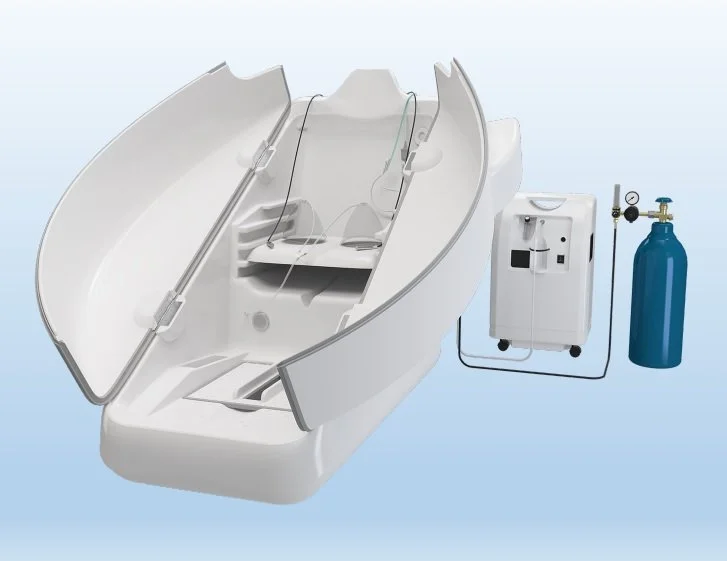
HOCATT therapy is one of the detoxification-supportive modalities available at CIOFM.
Many patients searching for HOCATT therapy in Cincinnati are looking for therapies that support circulation, sweating, recovery, and overall terrain health during or after cancer treatment.
HOCATT combines several modalities into one session, including:
Far infrared heat
Ozone steam sauna
Carbonic acid therapy
Pulsed electromagnetic field therapy (PEMF)
Frequency and light-based support
From a terrain perspective, HOCATT may support detoxification through several mechanisms.
Sweating and Skin Elimination
The heat and steam components encourage sweating, one of the body’s natural elimination pathways.
Certain toxic elements, including arsenic, cadmium, lead, and mercury, can be excreted through sweat, supporting the role of sauna and heat-based therapies within broader detoxification strategies.
Improved Circulation
Increased circulation helps move oxygen, nutrients, immune cells, and metabolic waste products more efficiently throughout the body.
Lymphatic Support
Heat and circulation may help improve lymphatic movement and tissue drainage.
Nervous System Regulation
Many patients experience a deep sense of relaxation during sessions, which matters more than people realize. The body performs repair and recovery more efficiently in a parasympathetic, “rest-and-repair” state than in chronic fight-or-flight mode.
HOCATT is not approached as a stand-alone solution or miracle therapy. It is one supportive tool within a larger terrain-focused strategy.
EBOO Therapy
EBOO (Extracorporeal Blood Oxygenation and Ozonation) is another advanced therapy available at CIOFM.
Patients searching for EBOO therapy in Ohio are often exploring integrative therapies that support circulation, oxygenation, and overall physiologic resilience during cancer treatment and recovery.
During EBOO, blood circulates through a specialized filtration system outside the body where it is exposed to oxygen and ozone before returning to circulation.
From a terrain perspective, EBOO may support:
Oxygenation
Circulation
Redox balance
Immune signaling
Inflammatory regulation
Blood flow and viscosity
Recovery support
Oncology-focused research has explored ozone therapy’s role in supportive cancer care, particularly around inflammation, oxidative stress, and treatment-related side effects.
Patients often describe feeling clearer, lighter, or more energized afterward, though responses vary significantly depending on the individual and their treatment phase.
Importantly, EBOO is not positioned as a replacement for conventional oncology care. It is used as part of a broader integrative oncology strategy focused on supporting the body’s terrain and recovery capacity.
Hyperthermia Therapy
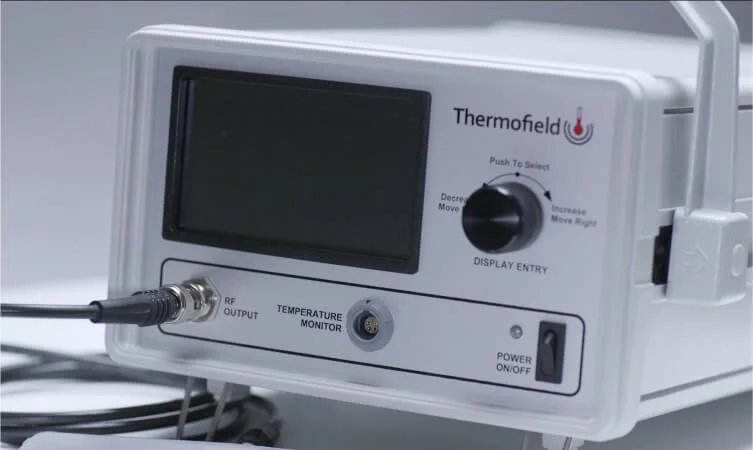
Hyperthermia therapy uses controlled heat to create physiologic conditions that support circulation, immune activity, and metabolic stress on vulnerable tissues.
At our clinic in Blue Ash, both localized and whole-body hyperthermia may be used depending on the patient’s diagnosis, treatment phase, and overall resilience.
Patients looking for hyperthermia therapy are often interested in therapies that support immune function, circulation, and terrain optimization alongside standard oncology care.
Heat acts as a biologic signal.
When body temperature rises in a controlled way, circulation increases, tissues receive more oxygen, and immune signaling pathways become more active. Heat also stimulates heat shock proteins, which help the immune system recognize stressed or abnormal cells.
From a detoxification and terrain perspective, hyperthermia may support:
Sweating and elimination
Improved circulation
Lymphatic movement
Tissue oxygenation
Immune coordination
Metabolic activity
Localized hyperthermia targets specific areas while minimizing systemic stress, while whole-body hyperthermia creates a broader fever-range response under supervision.
These therapies are carefully selected and monitored because not every patient is appropriate for aggressive heat-based interventions.
Supporting Cellular Energy and Recovery
Detoxification requires energy.
The liver, kidneys, gut lining, immune system, and lymphatic system all depend on healthy mitochondrial function and adequate cellular energy production.
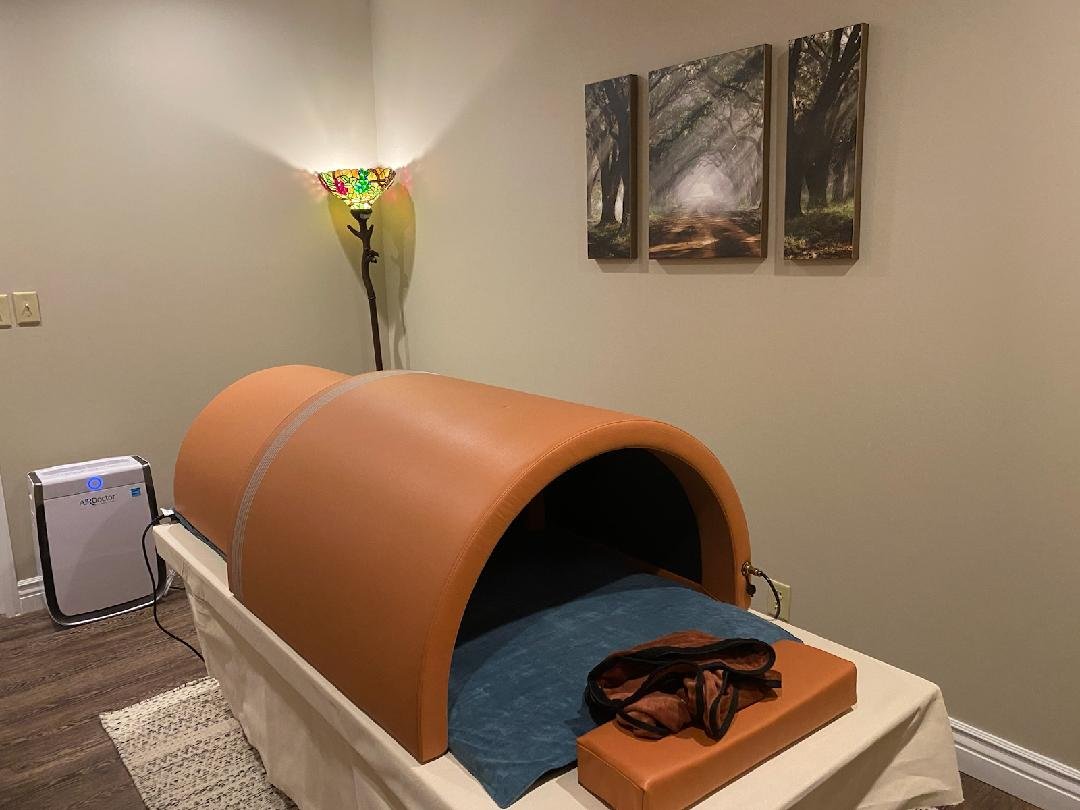
This is one reason therapies like red light therapy, PEMF, sauna therapy, IV nutrient support, and ozone-based therapies are often integrated into terrain-focused care plans.
These therapies are less about “detoxing” directly and more about helping the body generate the energy required for repair, regulation, recovery, and resilience.
These therapies are integrated thoughtfully into a patient’s larger treatment strategy based on diagnosis, treatment phase, goals, and physiologic capacity.
Detoxification and Duprication
With our patients, we often talk not only about detoxification, but also about duprication.
While detoxification focuses on helping the body process and eliminate burden, duprication refers to the supportive side of that process: replenishing, stabilizing, and strengthening the body while detoxification is taking place. In terrain-based medicine, these two concepts work together.
Cancer treatment and chronic physiologic stress can deplete the body of nutrients, minerals, hydration, antioxidants, metabolic reserves, and cellular energy. As the body processes inflammation, medications, treatment byproducts, and environmental toxicants, it also requires significant support to maintain resilience and recovery capacity.

This is where duprication becomes important.
Rather than pushing aggressive detoxification alone, terrain-focused care also emphasizes restoring the resources the body depends on to heal effectively. Depending on the patient and treatment phase, duprication may include:
Hydration and electrolyte support
Protein and amino acid replenishment
Mineral support
Mitochondrial and metabolic support
Microbiome-focused nutrition
Sleep and recovery support
Nervous system regulation
IV nutrient therapies
Restorative therapies that support circulation, oxygenation, and cellular energy
The goal is not simply to “remove toxins.” It is to help the body maintain enough physiologic stability, nourishment, and energy to adapt and recover throughout the healing process.
In many ways, detoxification and duprication represent two sides of the same terrain-focused strategy: helping the body clear what is burdensome while restoring what is needed for repair, regulation, and resilience.
Effective Detoxification Starts with Individualized Care
One of the biggest misconceptions about detoxification is that more is always better.
For cancer patients especially, aggressive detoxification can sometimes create more stress than benefit if the body is already depleted, inflamed, undernourished, or overwhelmed.
This is why detoxification must be personalized and sequenced carefully.
Before deeper detoxification is considered, we often assess:
Gut function and bowel regularity
Hydration and mineral status
Nutritional reserves
Liver and kidney support
Current treatment phase
Energy capacity and resilience
Inflammatory burden
Sleep quality
Nervous system regulation
Genetic detoxification capacity
Overall treatment goals
Sometimes the body needs nourishment before stimulation. Sometimes it needs drainage support before mobilization. Sometimes it needs rest before additional intervention.
The art of integrative cancer care is knowing the difference.
Supporting the Body Through Treatment and Recovery
At its core, detoxification in integrative oncology is about support.
Support for circulation.
Support for elimination.
Support for mitochondrial function.
Support for immune regulation.
Support for resilience.
Support for the body doing what it was designed to do.
We integrate detoxification therapies thoughtfully into a broader oncology care plan based on each patient’s diagnosis, treatment phase, goals, and terrain.
Healing is about strengthening the systems that allow the body to recover, adapt, and function more effectively throughout the process.
Learn More
Current patients can speak with their care team about which detoxification-supportive therapies may be appropriate for their unique treatment plan and terrain needs.
You can learn more about the HOCATT sauna for wellness HERE.
New patients interested in integrative oncology in Ohio or alternative cancer support in Cincinnati can apply for a Discovery Call to learn more about CIOFM’s terrain-focused approach to cancer care and recovery.
____________________________
Disclaimer: The information provided in this article is for educational purposes only and is not intended as medical advice, diagnosis, or treatment. The therapies discussed are not intended to diagnose, treat, cure, or prevent any disease and may not be appropriate for every patient. Always consult your physician or qualified healthcare provider before beginning or modifying any treatment plan.
____________________________
Linked References
Clavo, Bernardino, et al. “Modulation of Oxidative Stress by Ozone Therapy in the Prevention and Treatment of Chemotherapy-Induced Toxicity: Review and Prospects.” Antioxidants, vol. 8, no. 12, 2019, p. 588.
Gopalakrishnan, Vancheswaran, et al. “The Influence of the Gut Microbiome on Cancer, Immunity, and Cancer Immunotherapy.” Cancer Cell, vol. 33, no. 4, 2018, pp. 570–580.
Reuter, Simone, et al. “Oxidative Stress, Inflammation, and Cancer: How Are They Linked?” Free Radical Biology and Medicine, vol. 49, no. 11, 2010, pp. 1603–1616.
Sears, Margaret E., Kathleen J. Kerr, and Riina I. Bray. “Arsenic, Cadmium, Lead, and Mercury in Sweat: A Systematic Review.” Journal of Environmental and Public Health, vol. 2012, 2012, Article ID 184745.